Home About Shop Plants Contact

Pot prices: 4″ — $7.95 (3 for $21) · 6″ — $8.95 · Quart — $9.95 · Gallon — $11.95. Each plant card shows its pot size and price. Use Add to cart to open that plant on Shopify.

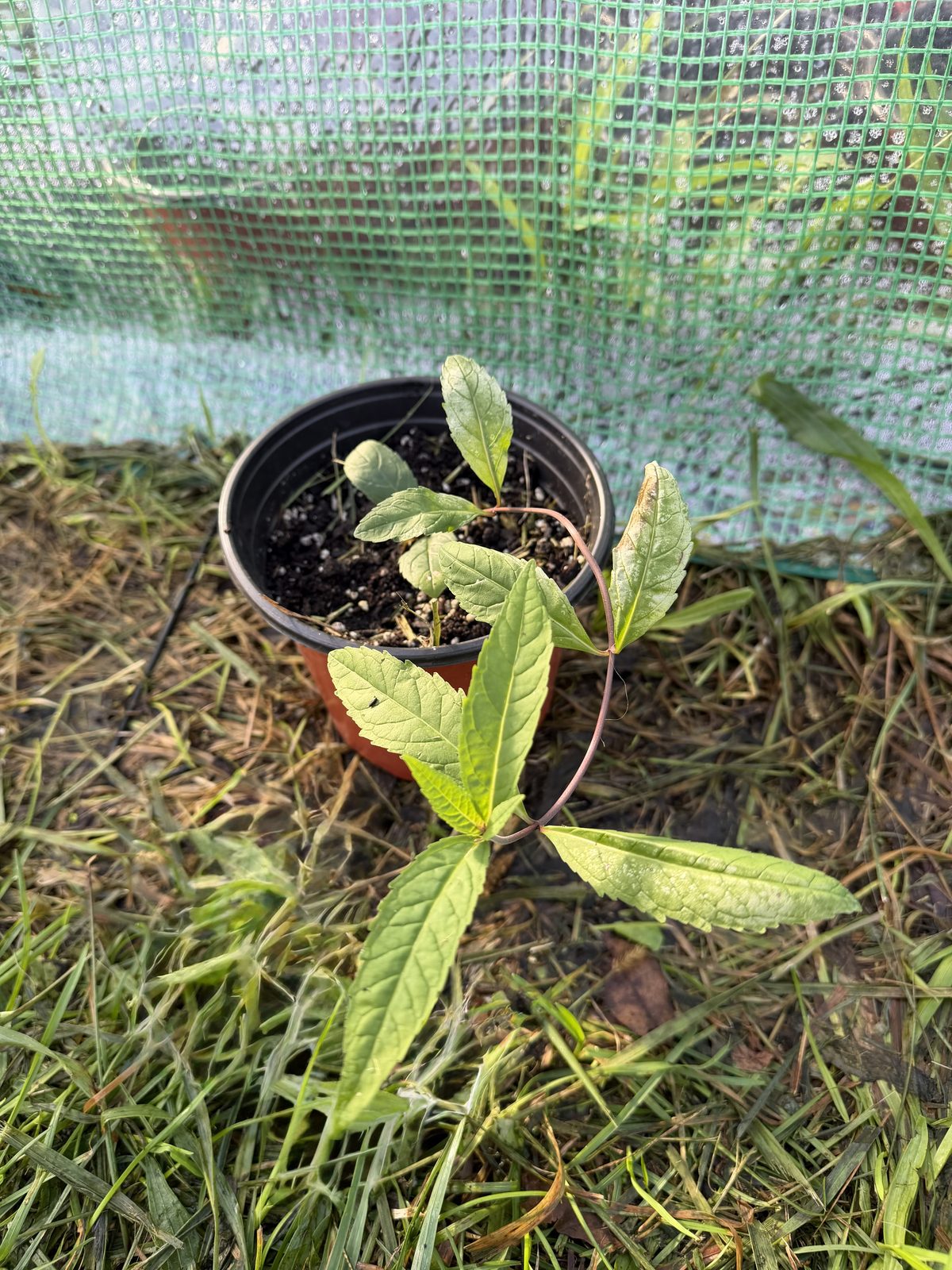
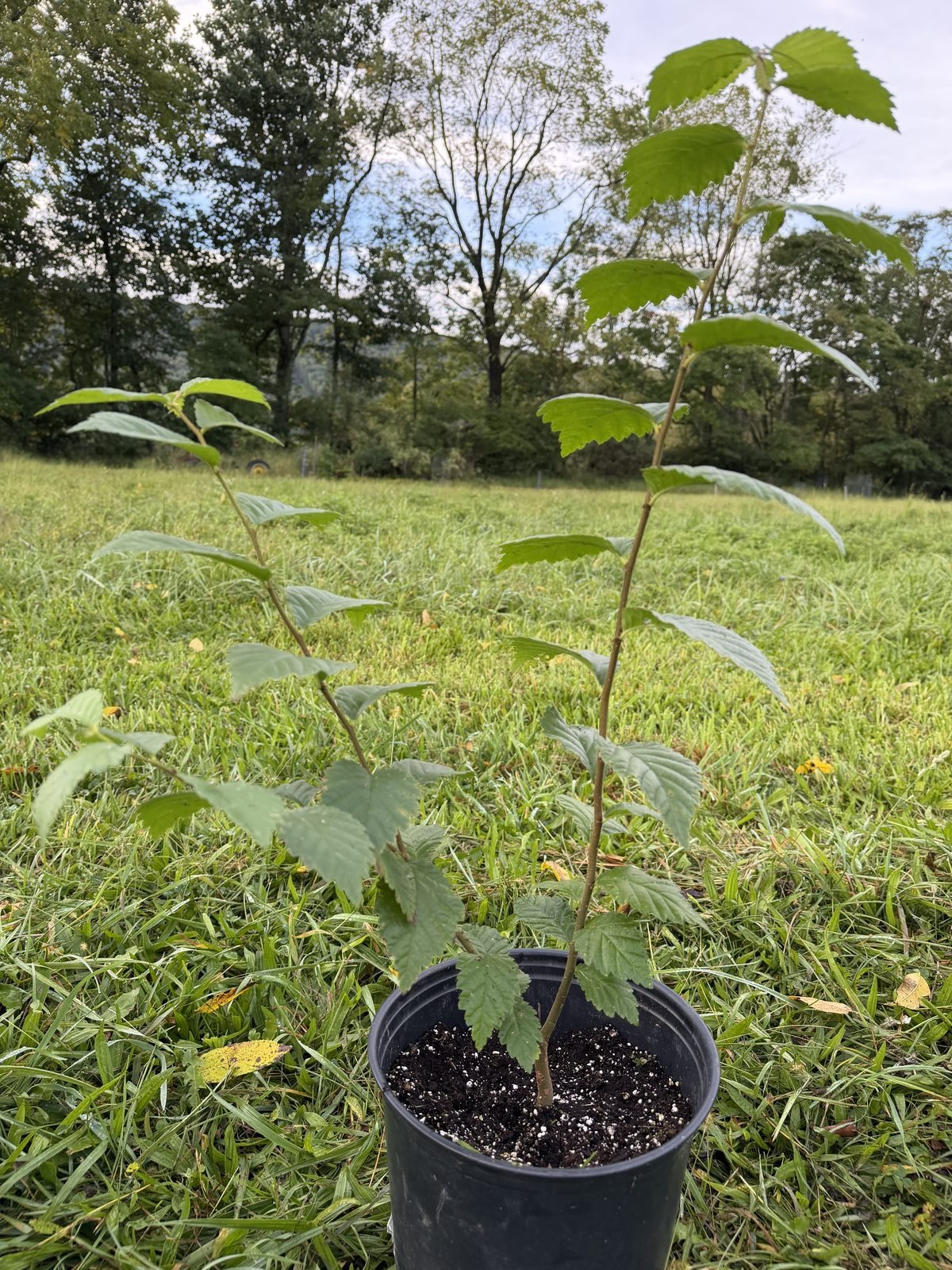
Slippery Elm
Native Medicinal

Slippery Elm

Ulmus rubra

Slippery elm is a medium to large native deciduous tree of eastern and central North America, typically reaching 40–60 feet with a broad crown. Leaves are rough-textured above with doubly serrated edges and an unequal base. It is named for its mucilaginous inner bark, long used in traditional medicine as a soothing demulcent for sore throats and digestive irritation. It is also prebiotic and nutritive and can be made into porridge or tea. It has also been used as a poultice for inflamed skin.

Read moreShow less

It prefers moist, well-drained soils and full sun to partial shade, though it adapts to a range of conditions once established. Young trees grow vigorously and establish readily. Like other native elms, it supports wildlife through its seeds and foliage.

Slippery elm is susceptible to Dutch Elm Disease, which has reduced the number of large mature trees across its range. Younger and mid-sized trees often remain healthy for many years, and the species continues to regenerate in the wild. Good sanitation—removing dead elm wood promptly—helps lower local beetle pressure.

Learn more about Dutch Elm Disease in your area with your local extension office.
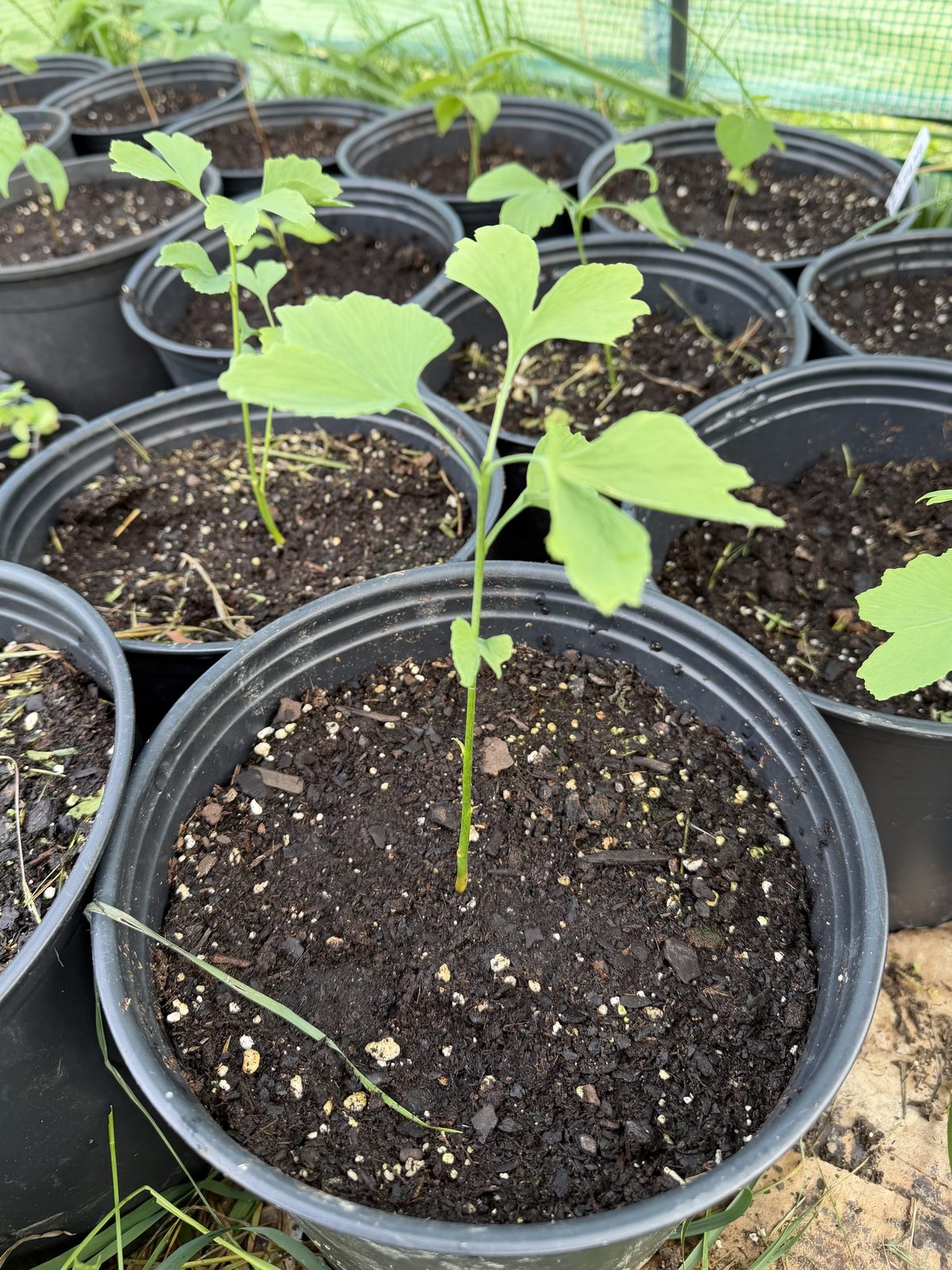
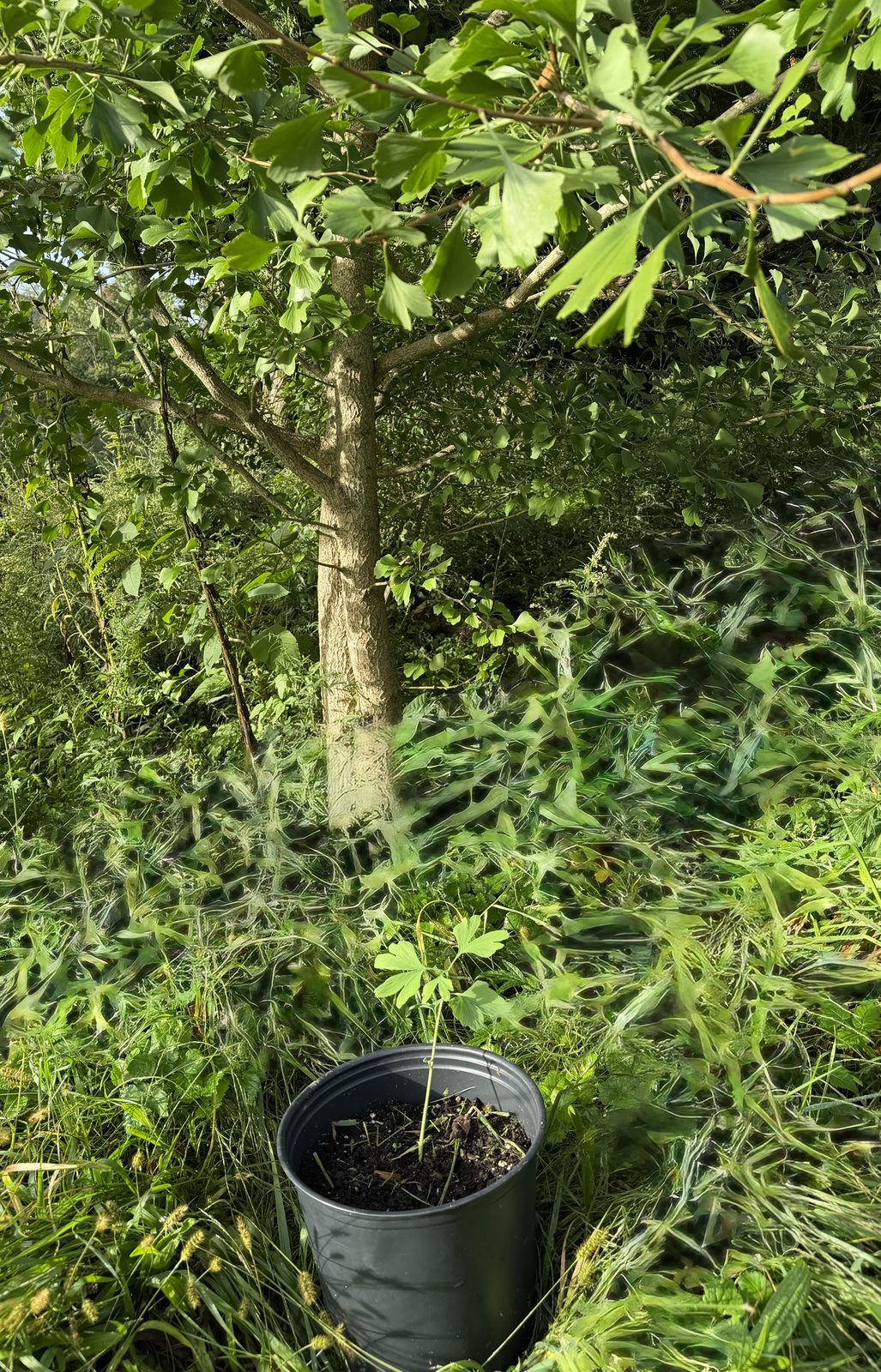
Potted Ginkgo biloba seedling at Rose Sharon Gardens Ginkgo tree with a potted seedling at Rose Sharon Gardens
Medicinal Trees & Shrubs

Ginkgo

Ginkgo biloba

Ginkgo is native to China, now grown throughout all temperate zones. It is an ancient living fossil, the last surviving member of a plant lineage that dates back to the age of dinosaurs, with distinctive fan-shaped leaves that turn a clear butter-yellow in autumn and often drop all at once. Young trees are narrow and somewhat open, filling out into a handsome shade tree with age.

Read moreShow less

Ginkgo grows slowly at first, eventually reaching 50–80 feet. It does best in full sun and well-drained soil, and it tolerates heat, urban conditions, and a wide range of soils. Hardy in Zones 3–8. Trees are either male or female; females bear fleshy, foul-smelling seeds in fall, and a seedling's sex is not known until it begins to bear, often after 20 years or more.

Ginkgo has a long tradition of medicinal use. The seeds have been used in Chinese medicine for centuries, and in modern herbalism standardized leaf extracts are widely used to support circulation and memory. Raw seeds are toxic and the fruit pulp can irritate skin. Leaf preparations may increase bleeding risk, so anyone taking blood thinners should talk with their health care provider first.

Box Elder Maple
Native Trees & Shrubs

Box Elder Maple

Acer negundo

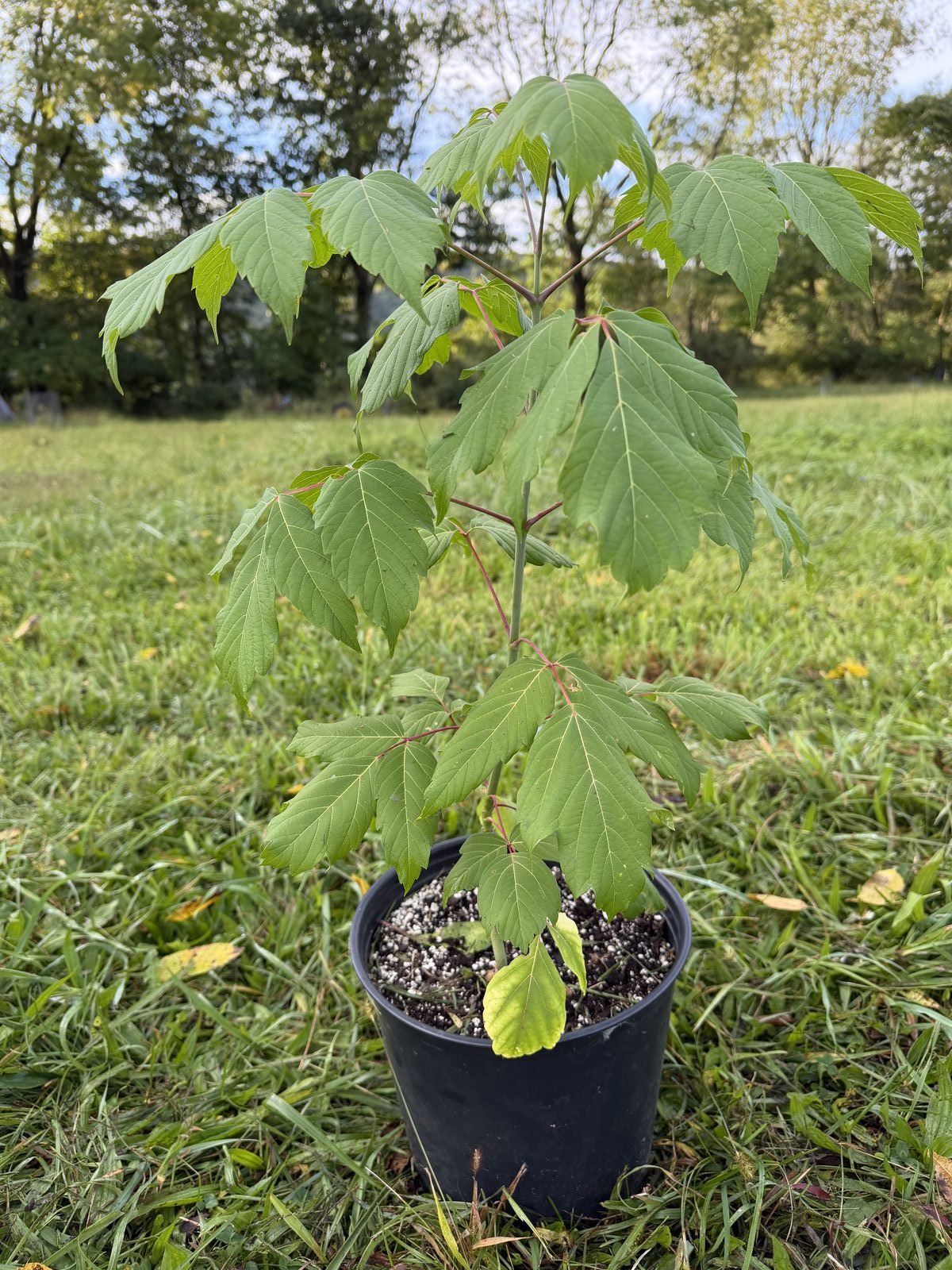
Box elder is a fast-growing native maple, easily recognized by its compound leaves of three to five leaflets (unusual for a maple) and its green to purplish young twigs. It is native to Pennsylvania and much of North America, and is especially at home along streams and floodplains.

Read moreShow less

It typically reaches 30–50 feet with a broad, irregular crown, and is suited to a range of soils, from wet to dry, in full sun to partial shade. Hardy in Zones 2–9. Its tolerance of shade makes it a useful understory tree for Zone 6b plantings, and it is valuable for quickly stabilizing stream banks. Trees are male or female; females carry hanging clusters of winged seeds that persist into winter. The wood is soft, so it is best planted away from buildings.

The seeds feed squirrels and winter birds such as evening grosbeaks, and the tree provides cover along waterways. Like other maples, box elder can be tapped in late winter for sap, which has been made into syrup by Native peoples and settlers alike. Female trees can attract harmless but sometimes bothersome box elder bugs.

Suitable for stream buffers, restoration plantings, and naturalized areas.

American Persimmon
Native Trees & Shrubs

American Persimmon

Diospyros virginiana

American persimmon is a native fruit tree with sweet autumn persimmons and attractive bark, dark and broken into small, thick blocks like alligator skin. It has glossy oval leaves that can turn yellow to reddish-purple in fall. It is native to Pennsylvania, near the northern edge of its range, where it grows in upland woods, old fields, and fencerows.

Read moreShow less

Persimmon typically grows 35–60 feet tall, often smaller in cultivation, in full sun to partial shade. It adapts to many soils, including dry, poor ones, and is wildlife-friendly and regionally adapted. Hardy in Zones 4–9. Small, fragrant, bell-shaped flowers appear in late spring. Trees are generally male or female, so plant more than one to ensure fruit. The fruit ripens in fall and is very astringent until fully soft; once ripe it is rich and sweet. Plants can sucker to form small groves.

The fruit is eaten by foxes, raccoons, opossums, deer, and birds, and the foliage is a host for the caterpillars of the luna moth and the regal moth (the "hickory horned devil"). Native peoples dried the fruit into cakes, and the astringent bark and unripe fruit were used in early American folk medicine.

Suitable for wildlife plantings, edible landscapes, and hedgerows.

Eastern Redbud
Native Trees & Shrubs

Eastern Redbud

Cercis canadensis

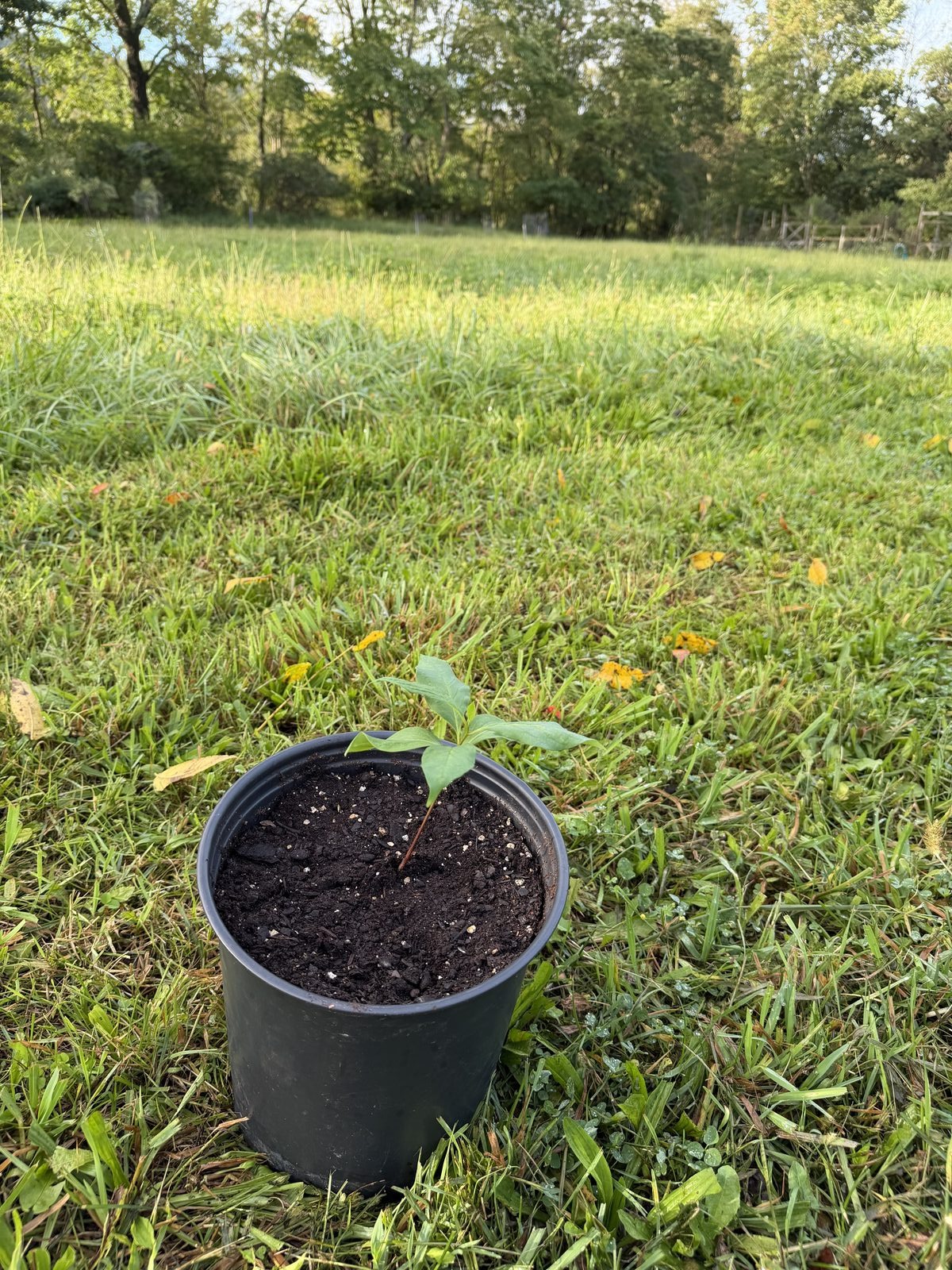
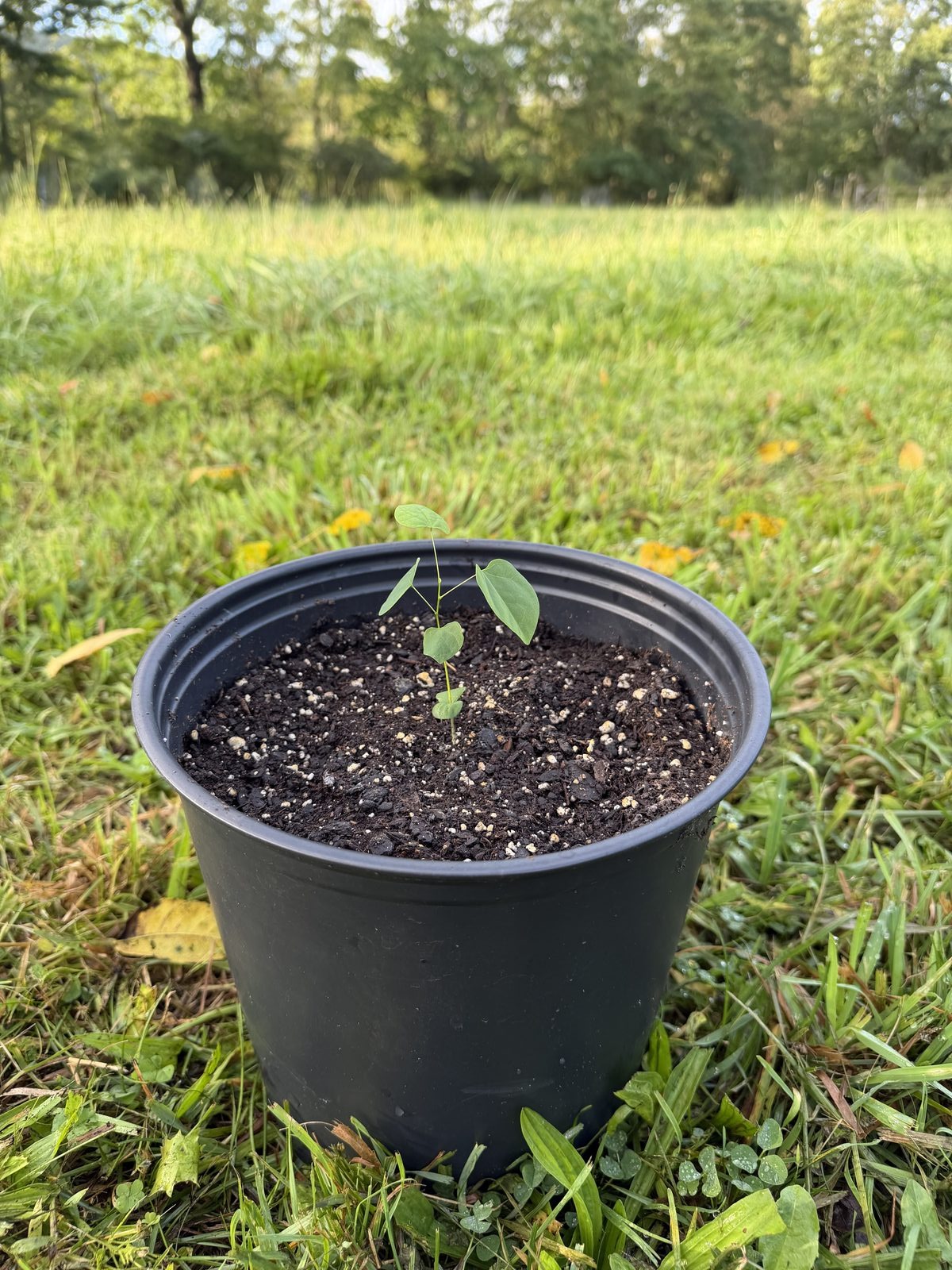
Eastern redbud is a spring-flowering native with magenta-pink blooms on bare branches, appearing in April before most trees leaf out. Flowers are followed by heart-shaped leaves and flat, bean-like pods, a reminder that redbud is a member of the pea family. It is native to Pennsylvania, mostly in the southern part of the state, which is near the northern end of its natural range.

Read moreShow less

Redbud is a graceful understory or specimen tree, typically 20–30 feet tall and as wide, often with multiple trunks. It grows in full sun to partial shade and prefers moist, well-drained soil, but it is adaptable. Hardy in Zones 4–9. It is fairly short-lived and does not like to be moved once established, so choose its spot with care.

Its early flowers are an important nectar and pollen source for native bees, including mason bees, when little else is in bloom. The leaves are a host for the caterpillars of Henry's elfin butterfly, and birds eat the seeds. The flowers are edible and have a pleasant, slightly tart flavor.

Suitable for woodland edges, small yards, and pollinator gardens.

Purple Flowering Raspberry
Native Trees & Shrubs

Purple Flowering Raspberry

Rubus odoratus

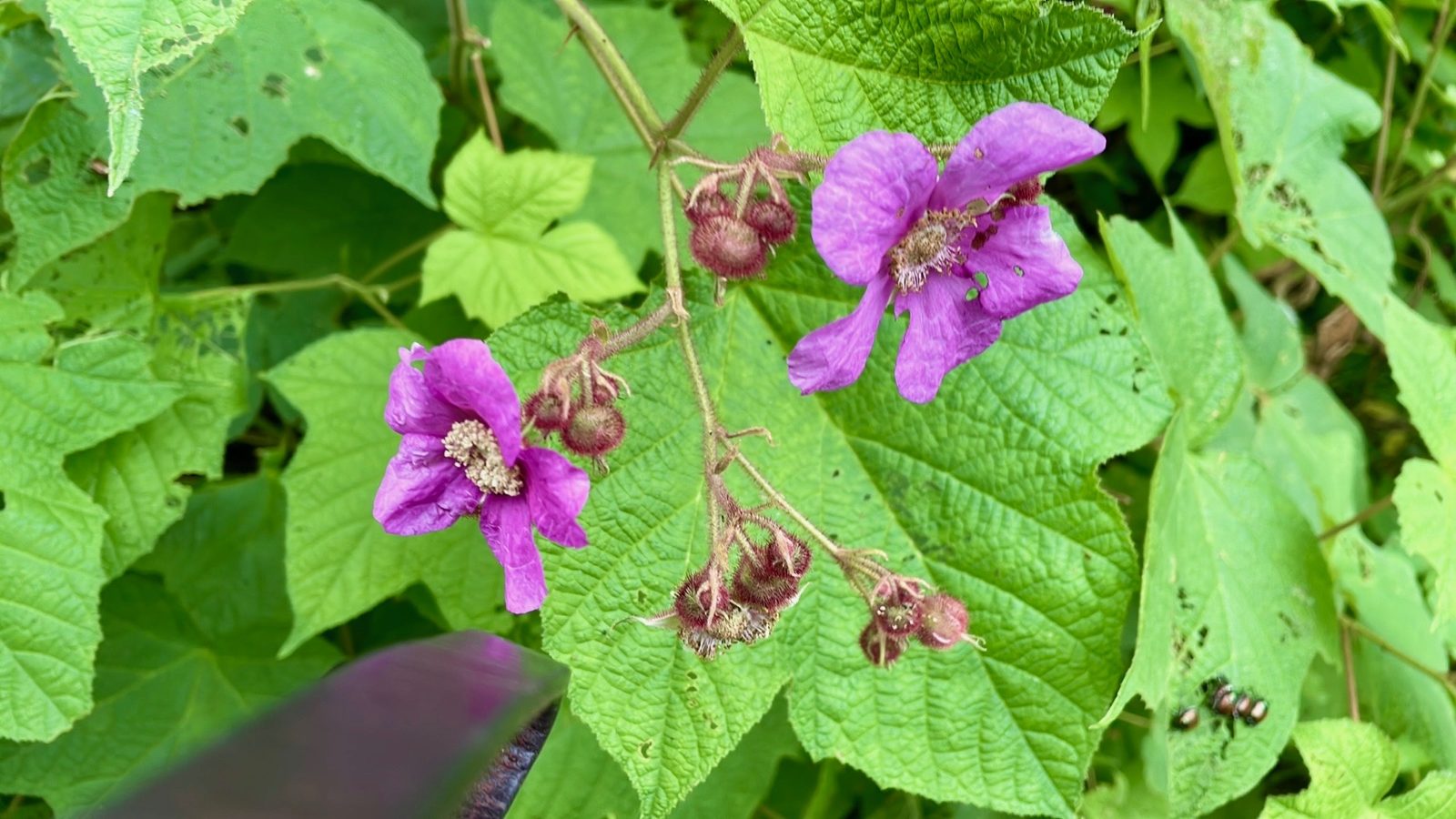
Purple flowering raspberry is a thornless native shrub with large rose-purple summer flowers and maple-like leaves. Unlike most of its relatives, it has no prickles, though its stems and flower stalks are covered with soft, sticky reddish hairs. It is native to Pennsylvania and common in rocky woods, woodland edges, and roadside thickets.

Read moreShow less

It grows 3–6 feet tall and spreads by suckers to form colonies, making it good for filling a shady slope or woodland edge. It prefers partial shade and moist, well-drained soil but tolerates sun and drier conditions. Hardy in Zones 3–8. Fragrant flowers open over a long season, from early to late summer, followed by flat, red raspberry-like fruits that are edible though somewhat dry and seedy. Older canes can be cut back to keep the planting vigorous.

A pollinator favorite, its open flowers draw bumblebees and many other native bees. Birds and small mammals eat the fruit, and the thickets offer cover and nesting places.

Suitable for woodland gardens, shady banks, and naturalized plantings.

Blue Flag Iris
Native Medicinal

Blue Flag Iris

Iris versicolor

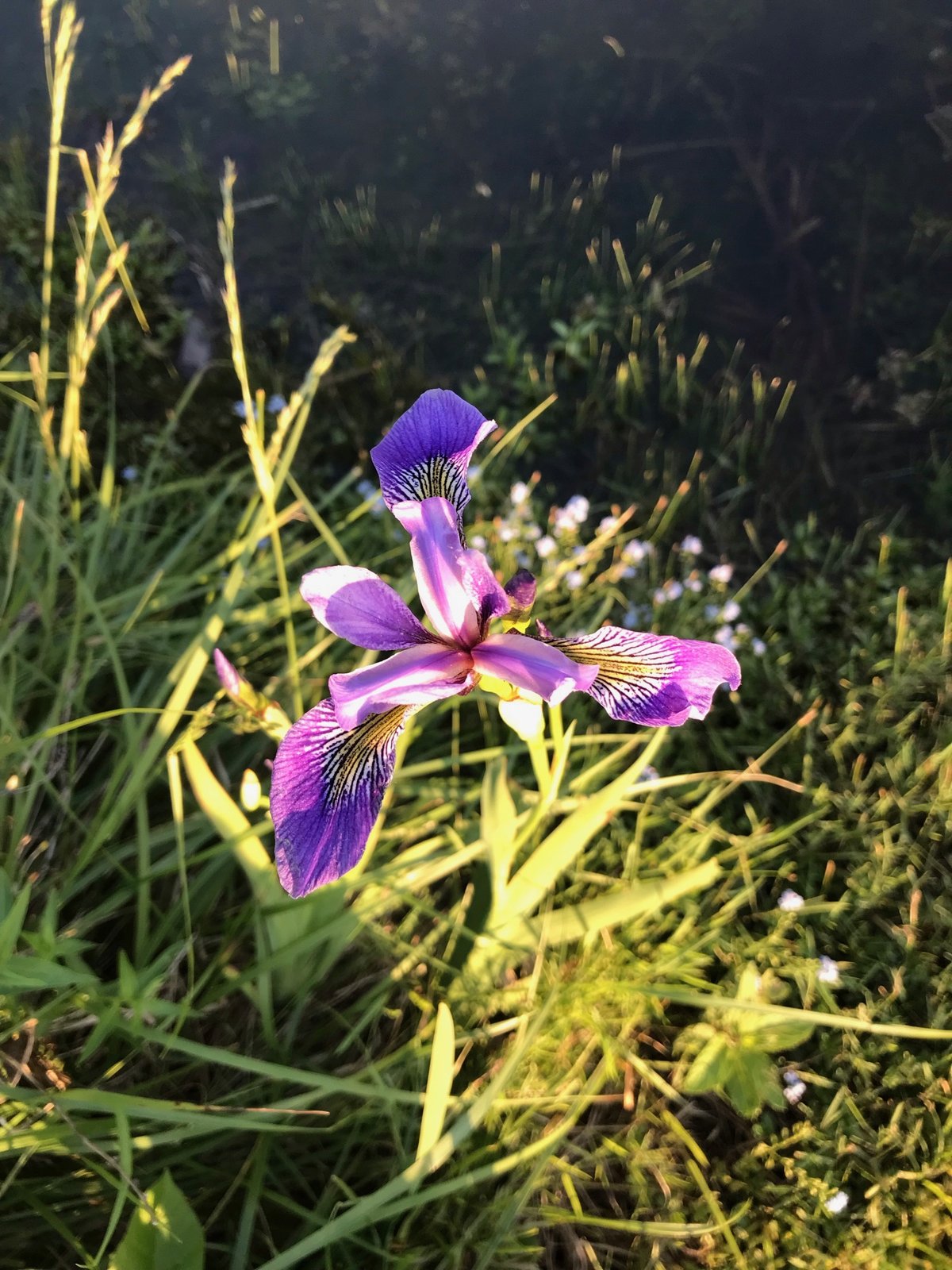
Blue flag is a native wetland iris with striking blue-violet blooms, each petal veined with darker purple and marked with yellow and white at the base. Its sword-shaped, blue-green leaves rise from thick rhizomes. It is native to Pennsylvania and the Northeast, where it grows in marshes, wet meadows, and along shores, and it is a beautiful native alternative to the invasive yellow flag iris.

Read moreShow less

Plants grow 2–3 feet tall and bloom in late spring to early summer. Blue flag needs full sun to partial shade and moist to wet soil, and will grow in shallow standing water. Hardy in Zones 3–9. It spreads slowly by rhizomes into handsome clumps and is seldom bothered by deer. It is beautiful for moist edges and rain gardens.

The flowers are pollinated mainly by bumblebees and other native bees. Blue flag was widely used by Native nations of the Northeast and Great Lakes. The rhizome was used in very low doses by the Eclectic physicians for skin and digestive dysfunction. All parts, especially the rhizome, are toxic and irritating if taken in more than small amounts, and so it is used as a small part of a larger formula by experienced clinical herbalists only.

Suitable for rain gardens, pond edges, and wet meadows.

Purple Coneflower (Echinacea purpurea)
Medicinal

Purple Coneflower

Echinacea purpurea

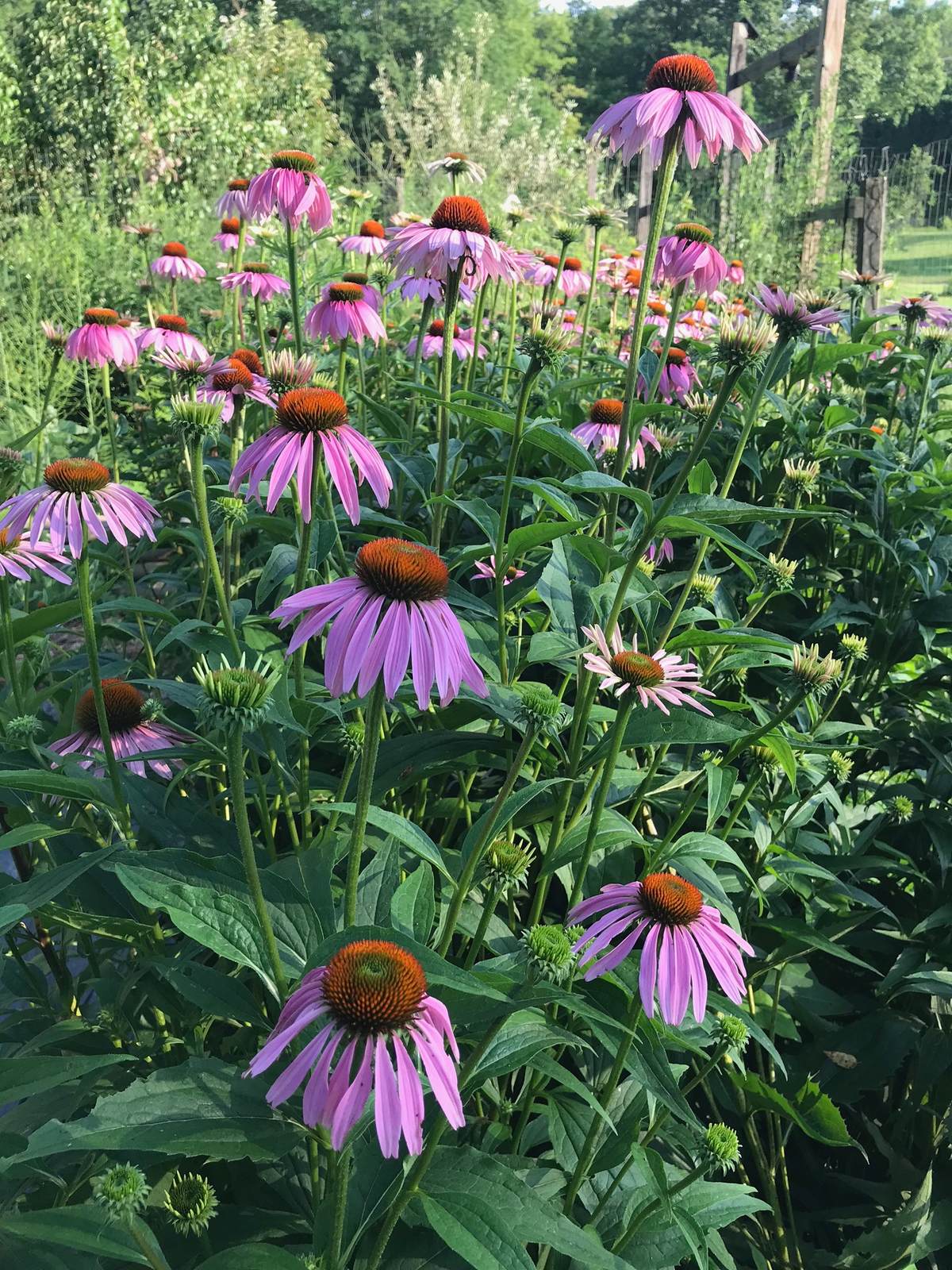
Purple coneflower is an iconic native perennial with a long history of traditional use and exceptional value for pollinators and birds. Its large daisy-like flowers have drooping rose-purple petals around a spiny, coppery-orange cone. It is native to the open woods and prairies of the central and southeastern United States and is widely grown in Pennsylvania gardens.

Read moreShow less

Plants grow 2–4 feet tall and bloom from early summer into fall. Purple coneflower likes full sun to light shade and average, well-drained soil, and it is drought tolerant once established. Hardy in Zones 3–8. It often self-seeds gently, and deer usually leave it alone.

Echinacea species were among the most widely used medicines of the Plains nations, including the Lakota and Cheyenne, mostly the narrow-leaved species, E. angustifolia for rattlesnake and insect bites. Today, E. purpurea is the species most often cultivated by herbalists, who use the root, harvested in the early spring, and the flowers and seed tinctures combined to support the immune system, especially at the first sign of a cold.
United Plant Savers lists Echinacea as “at risk” because of wild harvest, so growing your own is a good choice. People allergic to plants in the daisy family should use it with care. Bees and butterflies visit the flowers, and goldfinches eat the seeds in fall and winter.

Suitable for pollinator gardens, meadows, and medicinal gardens.

White Turtlehead in bloom White Turtlehead plant in a pot, as sold
Native Medicinal

White Turtlehead / Balmony

Chelone glabra

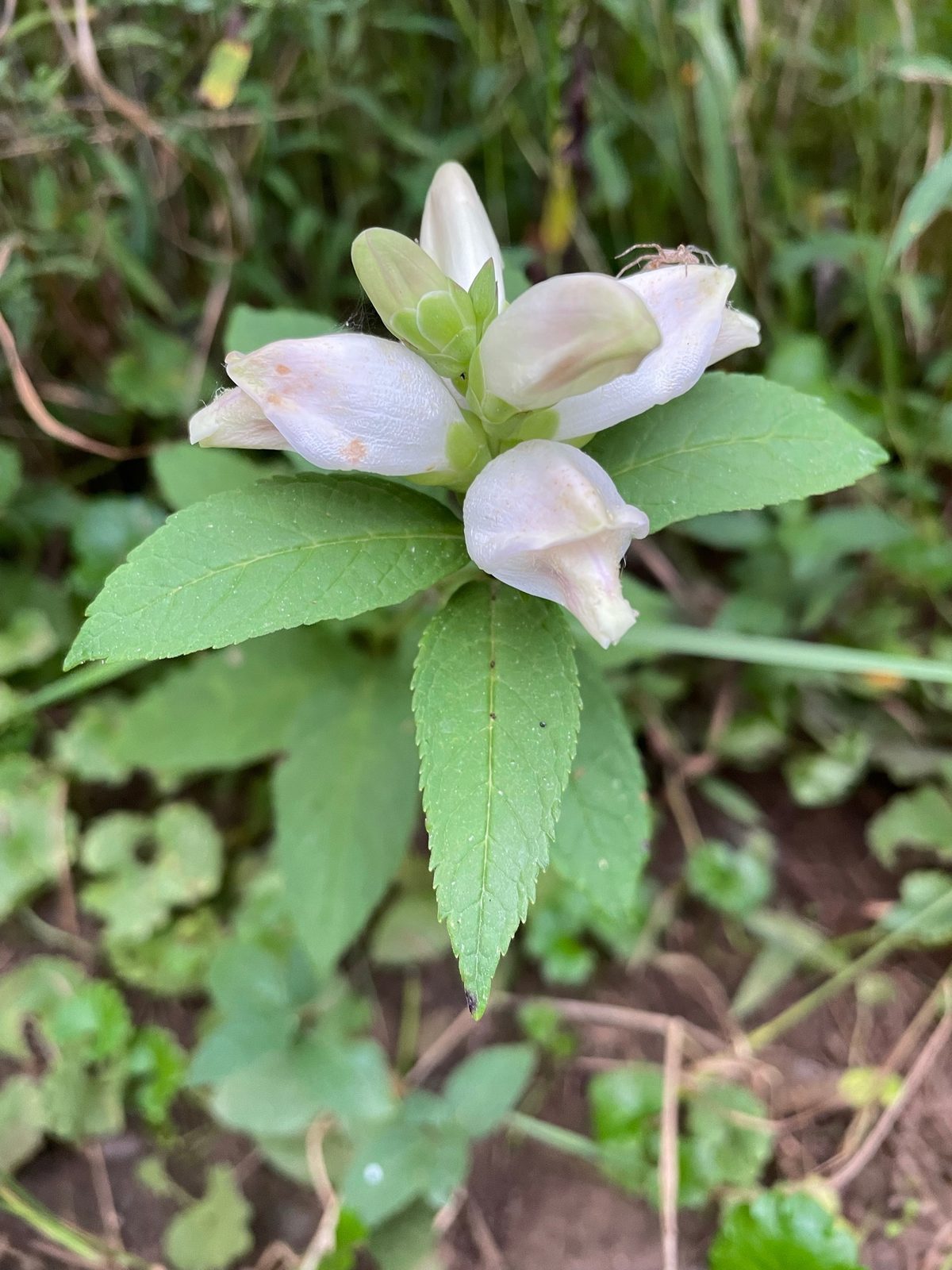
White turtlehead is native to the Eastern US, including every county of Pennsylvania, and is named for its hooded white flowers, sometimes blushed with pink, that resemble a turtle's head. The flowers cluster at the top of stiff, square stems lined with narrow, toothed, opposite leaves.

Read moreShow less

It grows 2–3 feet tall and blooms from late summer into fall, when many other plants are finished. Turtlehead prefers full sun to partial shade and moist to wet soil, and it thrives along stream banks, in wet meadows, and in rain gardens. Hardy in Zones 3–8. It forms slowly spreading clumps, and its bitter leaves are seldom eaten by deer.

Turtlehead is the primary larval host of the Baltimore checkerspot butterfly, so planting it directly supports this striking and increasingly local species. Bumblebees are strong enough to push into the closed flowers and are its main pollinators. The herb is used as a bitter digestive tonic, a use carried from Native American practice into the work of the Eclectic physicians who used it also to stimulate bile secretion and for skin problems.

Suitable for rain gardens, butterfly gardens, and moist medicinal gardens.

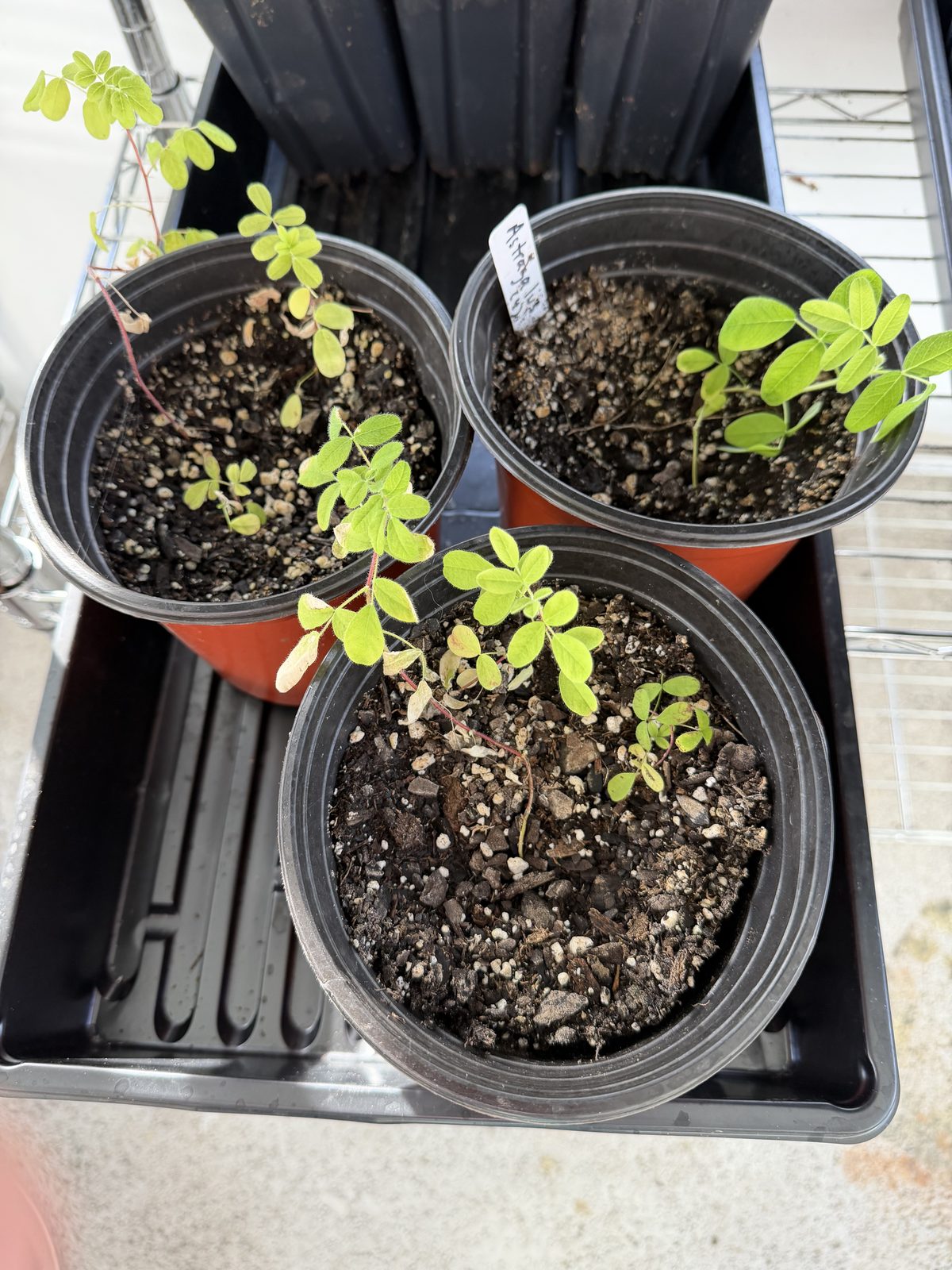
Astragalus (Huang Qi) plants in pots at Rose Sharon Gardens
Medicinal Herbaceous

Astragalus

Astragalus membranaceus

Huang Qi is native to China and northern Asia, a perennial legume with fine, feathery leaves of many small leaflets and clusters of pale yellow pea-like flowers. It is one of the most important tonic herbs in Chinese medicine, and the long, yellowish taproot is the part used.

Read moreShow less

Astragalus grows 2–4 feet tall and flowers from late spring into summer, followed by small papery seed pods. It prefers full sun and deep, sandy or loamy, well-drained soil; it does not tolerate wet feet. Hardy to about Zone 5. Plants are slow to establish, and roots are traditionally harvested after three or four years of growth. As a legume, it is useful for meadow and pollinator planting, and its flowers are visited by bees.

In Chinese medicine, Huang Qi is used as a lung qi tonic and it is useful as a cardiovascular tonic. It is also an immune amphoteric, helping to balance immune function, as needed. It is traditionally used for long-term support rather than during an acute infection or fever. Anyone taking immune-suppressing medication should talk with their health care provider before use. Please note that many other Astragalus species, including the western locoweeds, are toxic; this is not a plant to substitute or forage.

Suitable for medicinal gardens, meadows, and pollinator plantings.

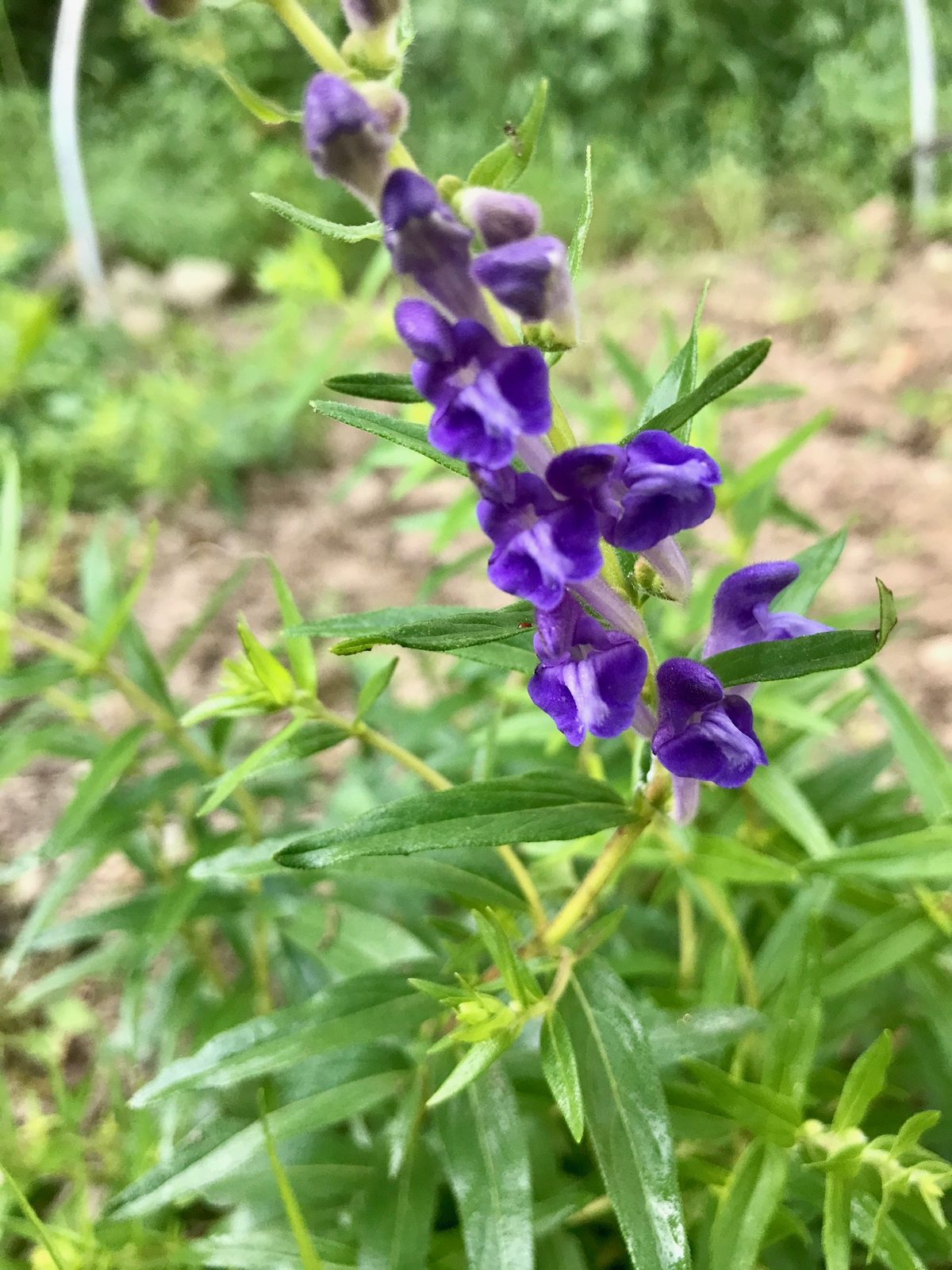
Baikal Skullcap
Medicinal Herbaceous

Baikal Skullcap

Scutellaria baicalensis

Huang Qin is native to China and neighboring parts of Asia, a low, bushy perennial with narrow leaves and lovely violet blue flowers. Like other skullcaps, each flower has a small hood and a little cap-like bump on the calyx that gives the group its name. The bitter, bright yellow root is the part used in medicine.

Read moreShow less

Baikal skullcap grows 1–2 feet tall and blooms in mid to late summer. It prefers partial sun and rich soil that drains well, and it is fairly drought tolerant once established. Hardy in Zones 5–8. It is long-lived and well behaved, staying in tidy clumps, and roots are usually harvested after three or four years. Bees love the flowers.

In Chinese medicine the root is used to clear heat and dampness, such as febrile conditions with secretions, such as bronchitis with mucus or infectious diarrhea. It is one of the most studied herbs in modern research. Several cases of liver injury have been reported with a product containing Chinese skullcap, although the evidence was poor that this herb was causative. This herb is best used under the guidance of a knowledgeable practitioner.

Suitable for medicinal gardens, rock gardens, and sunny borders.

Foxglove Beardtongue (Penstemon digitalis) in a pot
Native Pollinator

Foxglove Beardtongue

Penstemon digitalis

Foxglove beardtongue is a Northeastern native with elegant white tubular flowers, often faintly lined with purple inside to guide bees. It is native to Pennsylvania and found throughout the state in meadows, prairies, field edges, and open woods. The glossy leaves sometimes take on a reddish tint, and many plants keep a low rosette of leaves through winter.

Read moreShow less

It grows 3–5 feet tall and blooms from late spring into early summer. Foxglove beardtongue prefers full sun to partial shade and average, well-drained soil, and once established it tolerates both drought and clay. Hardy in Zones 3–8. It is easy care, long-lived, and seldom browsed by deer, and it self-seeds modestly.

Excellent for bees, hummingbirds, and resilient plantings. Bumblebees are its main pollinators, and many smaller native bees visit as well. The seed heads can be left standing for winter interest.

Suitable for pollinator gardens, meadows, and sunny borders.

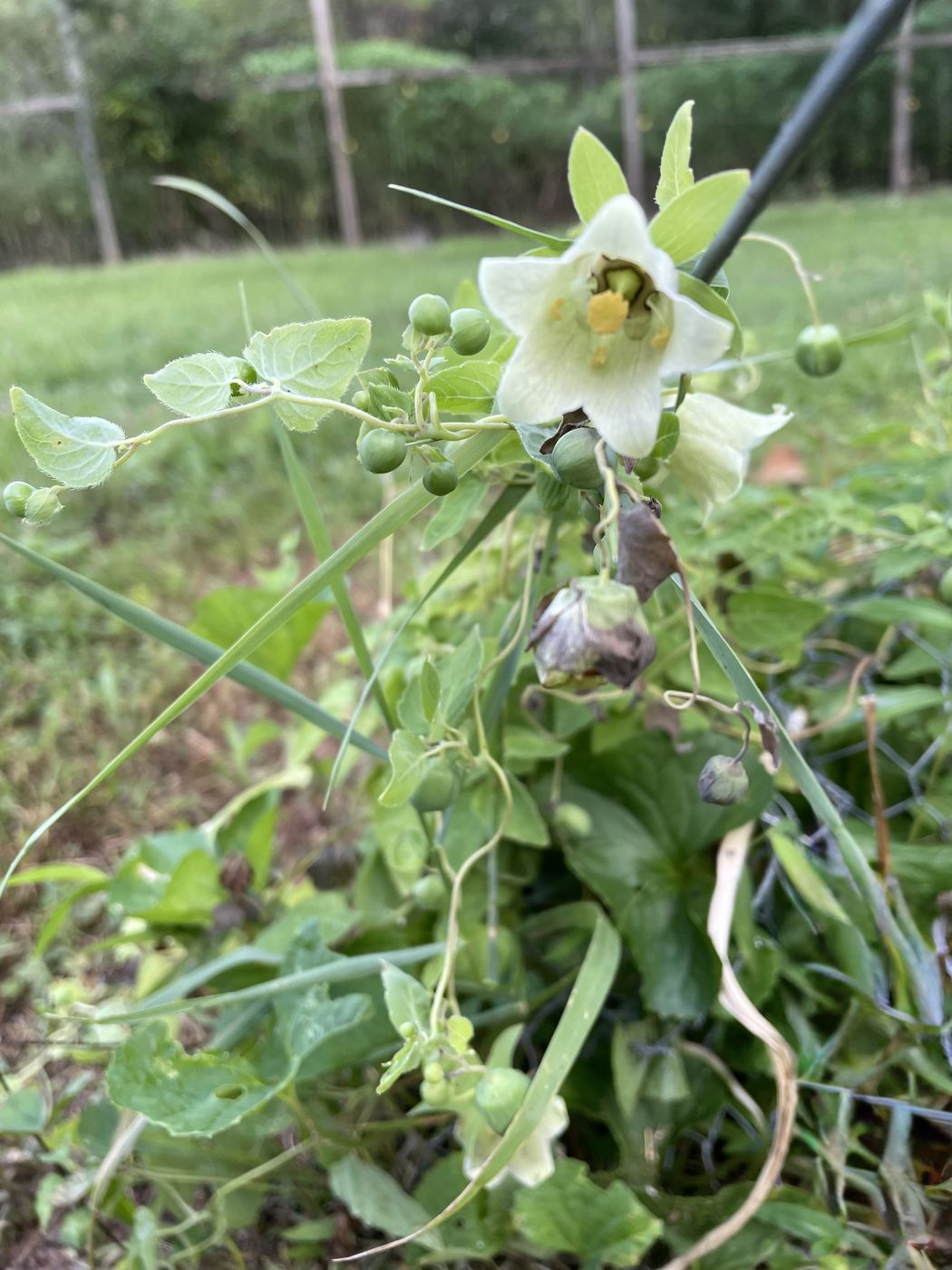
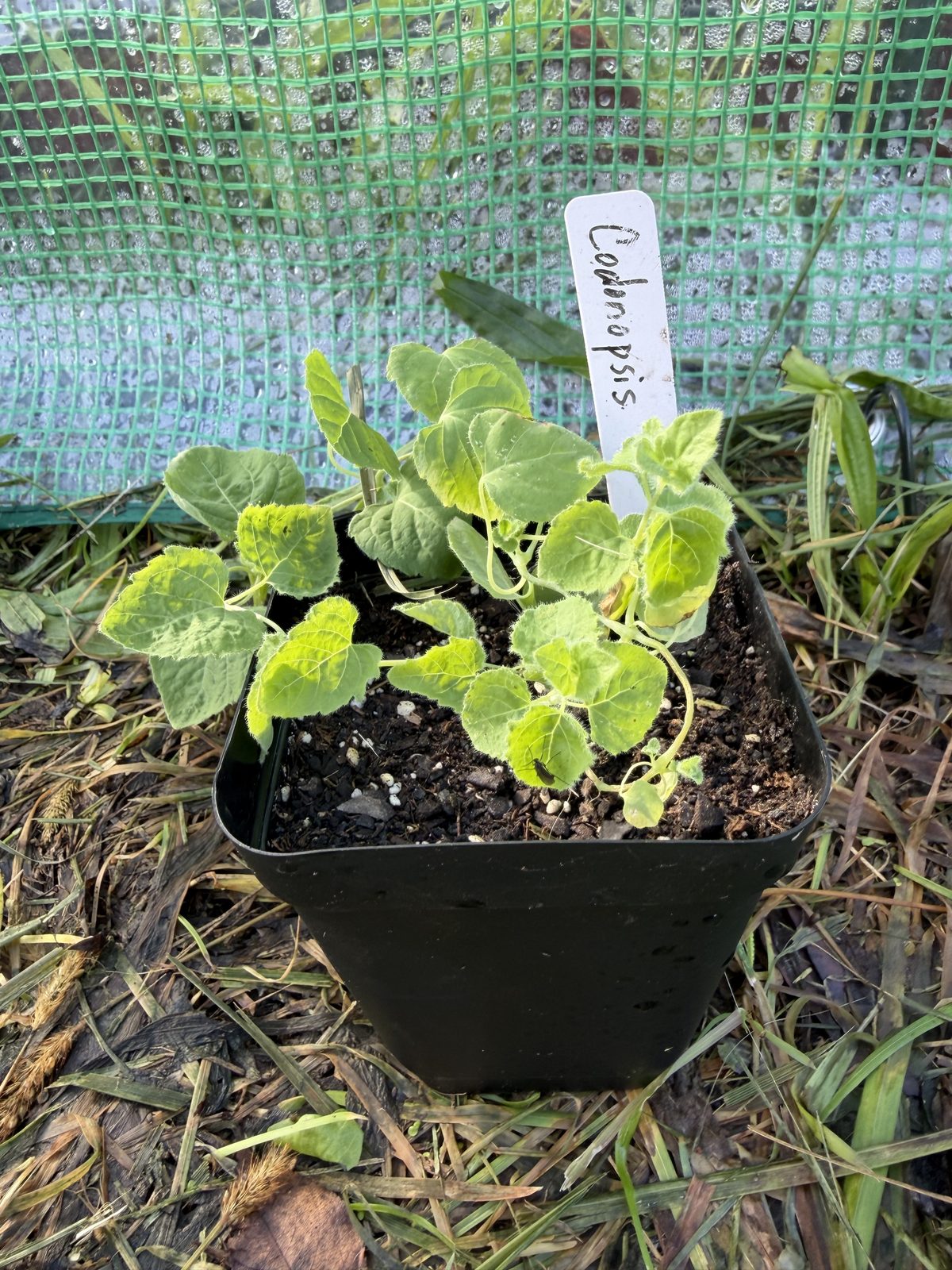
Codonopsis / Dang Shen in flower Codonopsis plant in a pot, as sold
Medicinal Herbaceous

Codonopsis / Dang Shen

Codonopsis pilosula

Codonopsis is native to China and Korea, a perennial twining vine in the bellflower family with small oval leaves and nodding, bell-shaped flowers that are pale green on the outside and delicately marked with purple inside. The fleshy, carrot-like root is the part used in medicine.

Read moreShow less

Twining vines for trellis or fence plantings, the stems reach 3–6 feet in a season and die back to the ground each winter. It enjoys full to partial sun and loose, rich, well-drained soil; the roots do not tolerate standing water. Hardy in Zones 5–9. Flowers appear from midsummer into early fall. Roots can be harvested in fall after two or three years of growth.

Used in Asia as a traditional qi tonic for fatigue and weakness, often as a substitute for Panax ginseng. Dang Shen is considered gentler and less stimulating than ginseng, and it is often used to support energy, digestion, and recovery from fatigue. In China the root is also cooked into soups as a nourishing food. Growing codonopsis also takes pressure off wild ginseng, which is at risk from overharvesting.

Suitable for medicinal gardens and small trellises or fences.

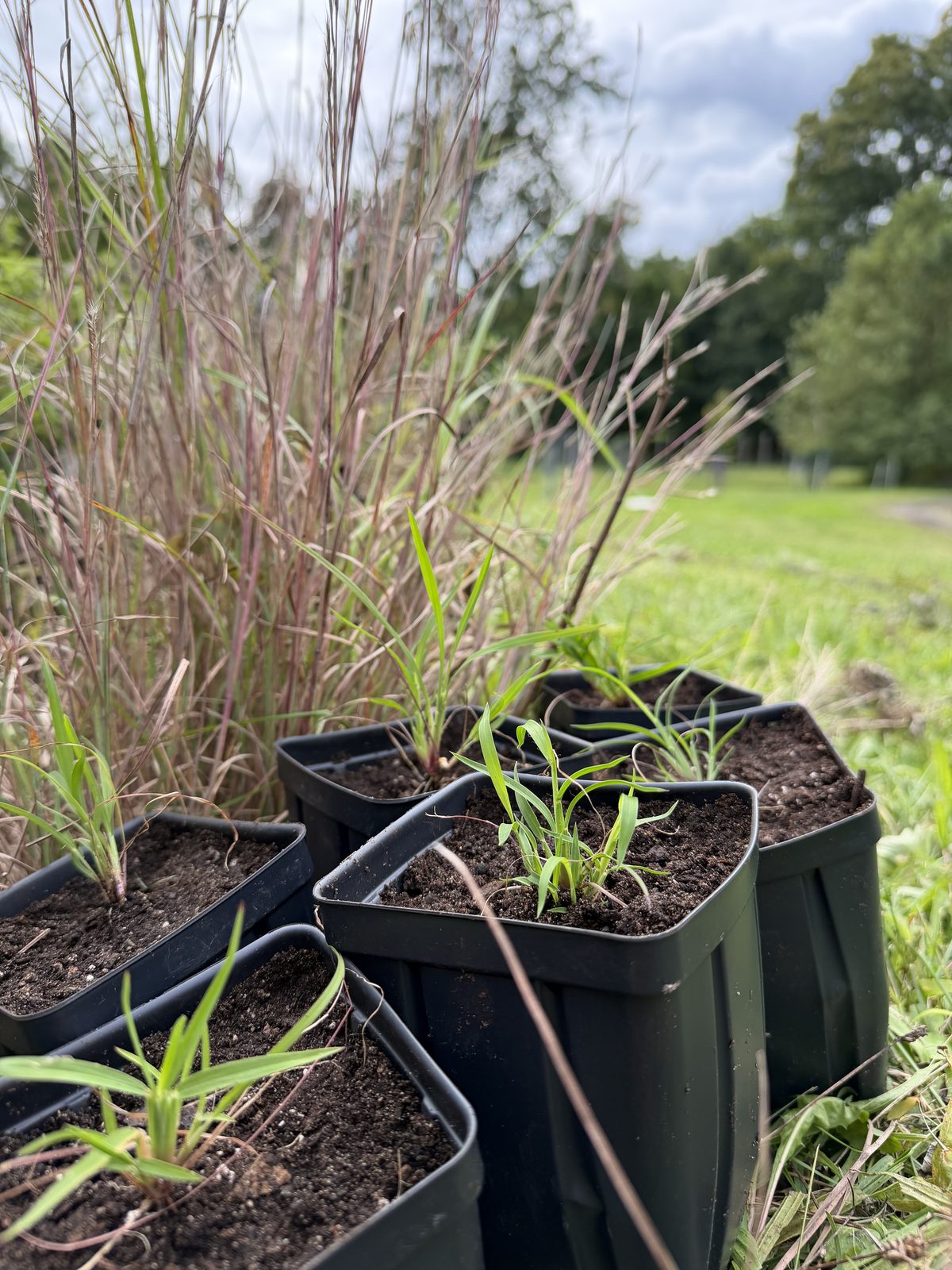
Little Bluestem grass in pots at Rose Sharon Gardens
Native Easy Care

Little Bluestem

Schizachyrium scoparium

Little bluestem is a classic native prairie grass with blue-green summer foliage and warm copper fall color. In late summer, slender flower stalks carry fluffy, silvery-white seed tufts that sparkle in low autumn light. It is native to Pennsylvania, where it grows in old fields, barrens, and dry, open slopes.

Read moreShow less

This clump-forming grass grows 2–4 feet tall and about 2 feet wide. It needs full sun and does best in dry to medium, well-drained soil, including poor, rocky, or sandy ground; rich soil and too much water can make it flop. Hardy in Zones 3–9. Drought tolerant once established and deer resistant. Leave the stems standing over winter and cut them back in early spring.

Little bluestem is a larval host for several native grass skippers, including the dusted skipper and cobweb skipper. Its seeds feed songbirds, and its clumps give shelter to ground-nesting bees, insects, and small birds through the winter.

Suitable for meadows, dry slopes, pollinator gardens, and low-maintenance plantings.

Dense Blazing Star (Liatris spicata) in pots
Native Pollinator

Dense Blazing Star

Liatris spicata

Dense blazing star sends up native vertical spikes of magenta-purple flowers above a clump of grass-like leaves. Unusually, the fluffy flower heads open from the top of the spike downward. It is native to Pennsylvania, where it grows in scattered populations in moist meadows and fields, mostly in the southeastern and western parts of the state.

Read moreShow less

Plants grow 2–4 feet tall from a rounded corm and bloom in mid to late summer. It thrives in sunny gardens, needs full sun, and grows well in average to moist soil, including clay, but it rots in soil that stays soggy over winter. Hardy in Zones 3–8. It is long-lived and easy to grow; taller plants may need support in rich soil. Voles and rabbits sometimes eat the corms.

A magnet for butterflies and bees. Monarchs, swallowtails, skippers, and bumblebees all visit the flowers, and goldfinches and other birds eat the seeds in fall. Dense blazing star is rare in much of its northern range, including Ontario, where it is listed as threatened, though it is not currently considered at risk in Pennsylvania.

Suitable for pollinator gardens, meadows, and rain garden edges.

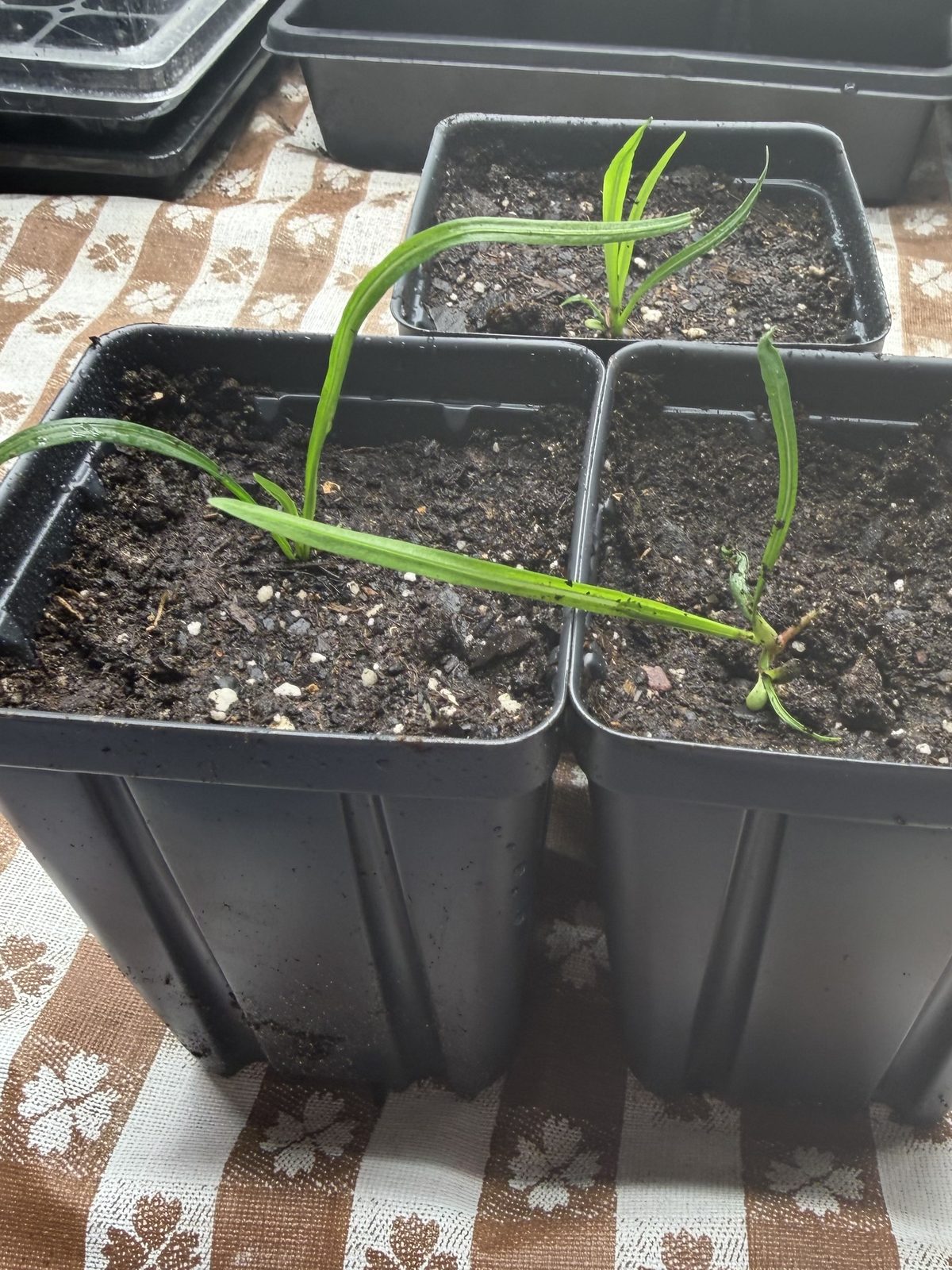
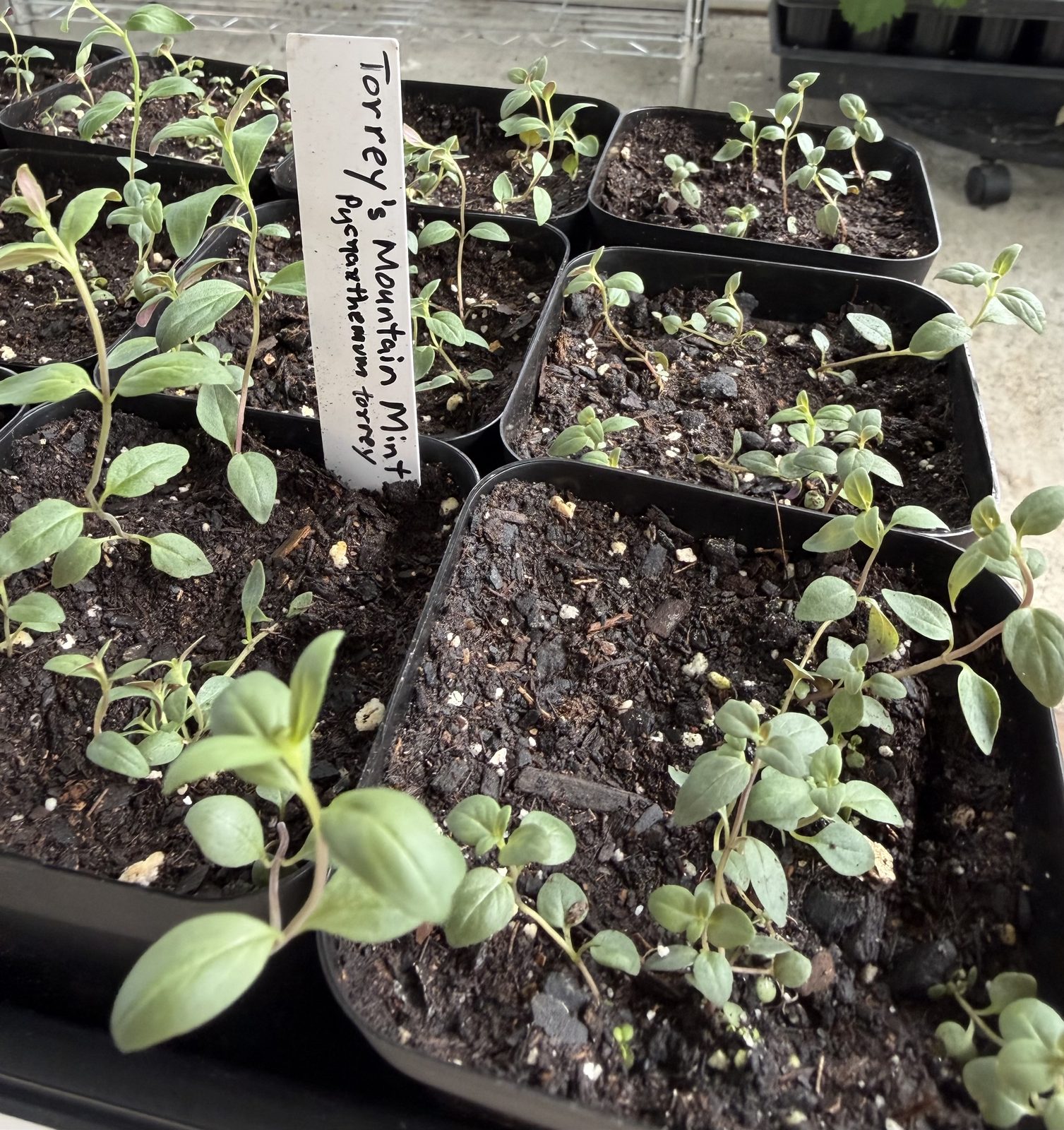
Torrey’s Mountain Mint seedlings in pots
Native

Torrey’s Mountain Mint

Pycnanthemum torrei

Native and endangered. Torrey's mountain mint is a rare perennial of the eastern United States, with narrow, aromatic leaves and dense, flat-topped clusters of tiny white flowers tinged with purple. It is native to Pennsylvania, where it is listed as Pennsylvania Endangered, and it is ranked globally imperiled, with only a few dozen known populations remaining across its range.

Read moreShow less

Plants grow 1½–4 feet tall, forming clumps from rhizomes, and bloom from midsummer into early fall. In the wild it grows in dry, open, rocky woods, barrens, and woodland edges. It does best in light shade or sun with well-drained soil; plants in very hot, dry sun may be smaller. Likely hardy in Zones 5–8. Although it is a mint, hungry deer will browse this one, and deer browse is one of the threats to its wild populations. Young plants need protection, but this plant is worth it.

Torrey's mountain mint is an outstanding nectar plant for pollinators, visited by many native bees, wasps, flies, and butterflies. Mountain mints as a group have been used as aromatic teas, but with this species we put conservation first. Growing it in gardens helps keep a rare plant alive.

Suitable for pollinator gardens, dry woodland edges, and conservation plantings.

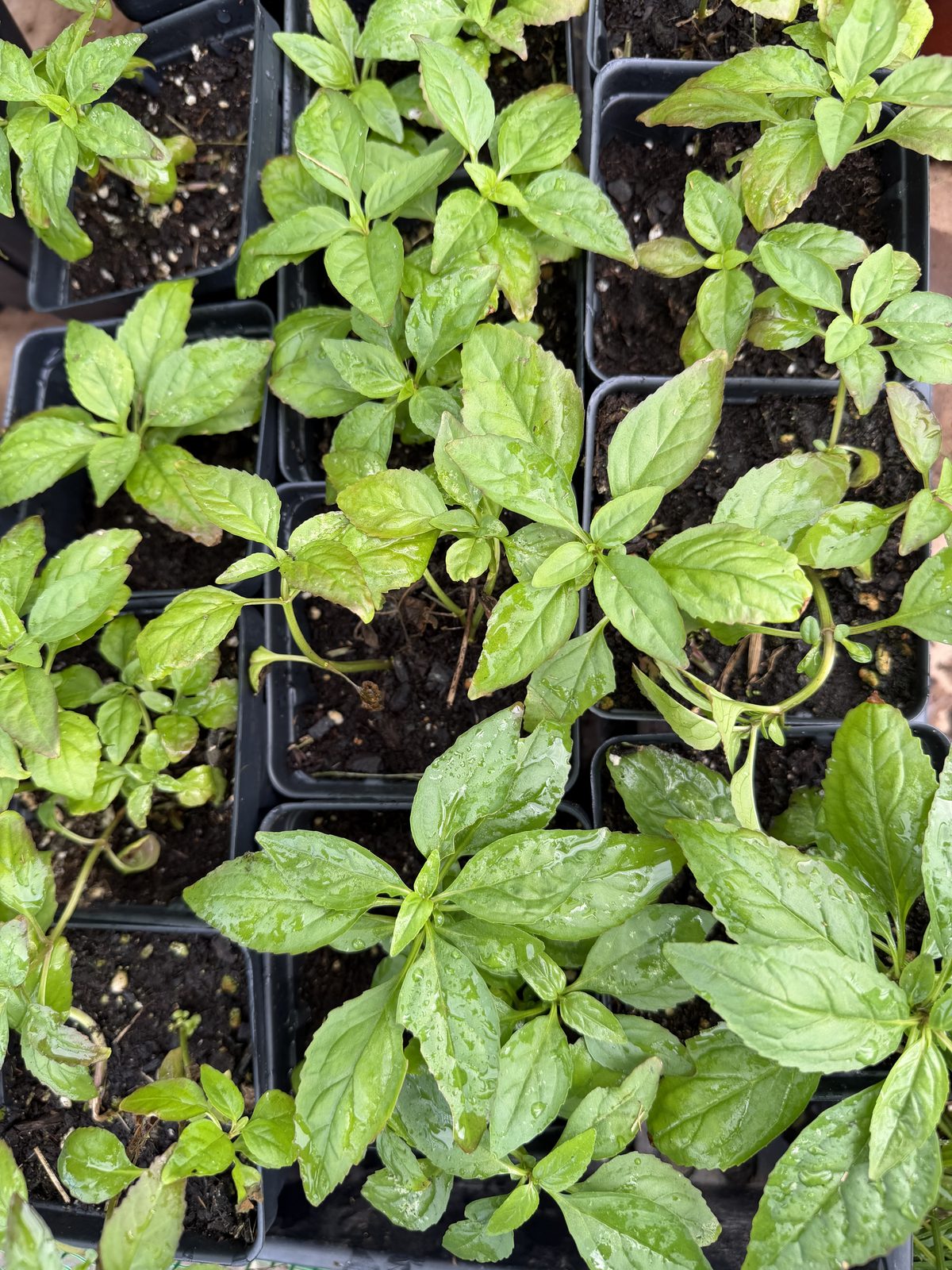
Winged Monkey Flower plants in pots
Native Herbaceous

Winged Monkey Flower

Mimulus alatus

Winged monkey flower is a native moisture-loving perennial with lavender flowers, each shaped like a small open-mouthed face with a pale throat. Its square stems have thin, wing-like ridges along the corners, which give the plant its name, and its leaves have short stalks, a helpful difference from the similar Allegheny monkey flower. It is native to Pennsylvania, mostly in the southern part of the state, where it grows in swamps, wet meadows, and along streams.

Read moreShow less

Plants grow 1–3 feet tall and bloom from midsummer into early fall. It prefers partial shade to full sun and consistently moist to wet, rich soil; it will not tolerate drying out. Hardy in Zones 4–8. It may self-seed in moist ground, and it is suited to wet edges and rain gardens.

The flowers are pollinated mainly by bumblebees, which push their way past the closed lips of the flower. The leaves are a larval host for the common buckeye butterfly.

Suitable for rain gardens, pond and stream edges, and wet meadows.

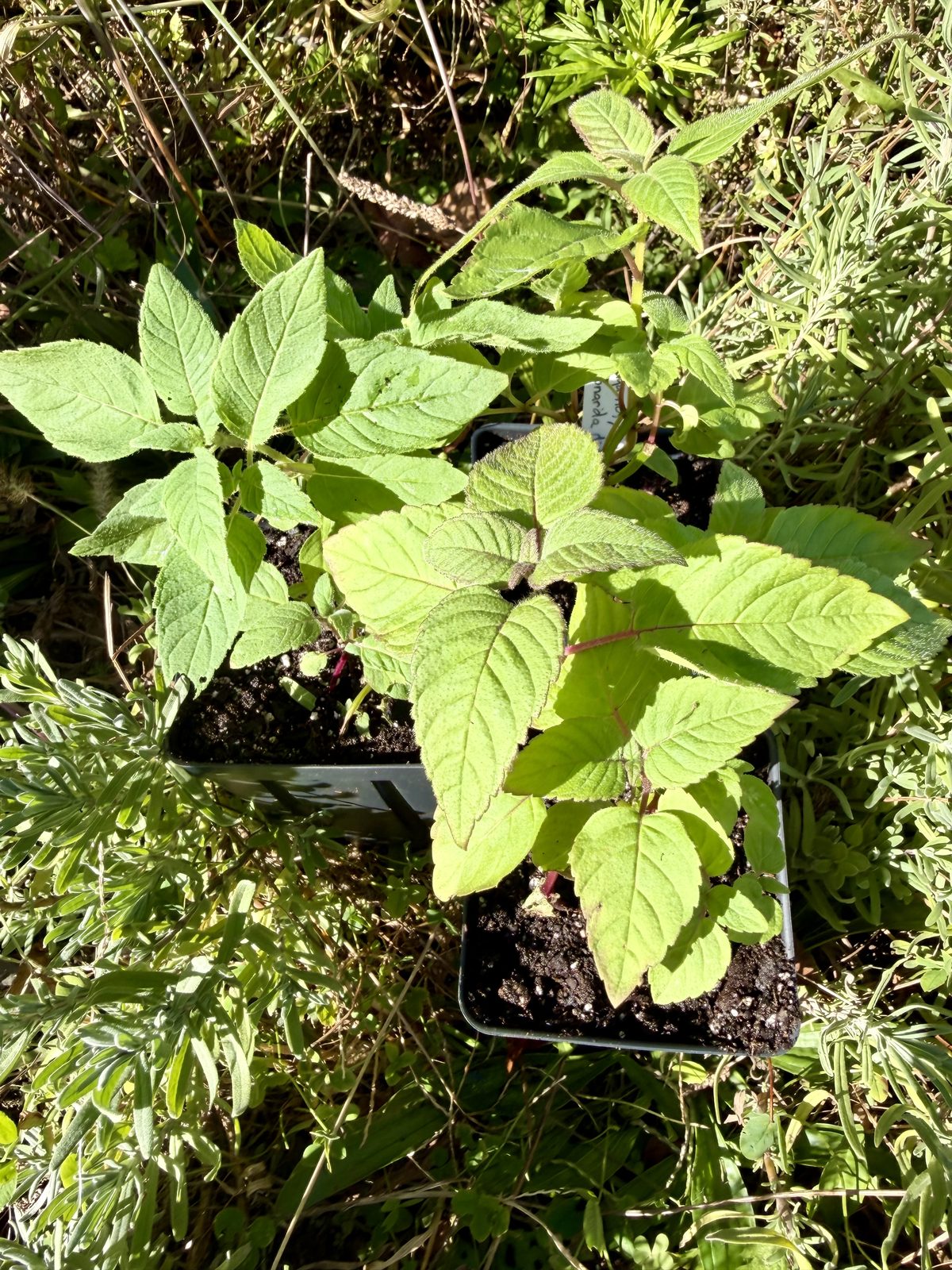
Bee Balm (Monarda didyma) plants in pots
Native Medicinal Pollinator

Bee Balm

Monarda didyma

Native. Bee balm, also called scarlet bee balm or Oswego tea, is a showy perennial native to the eastern United States, including Pennsylvania. It has bright scarlet, tube-shaped flowers set in shaggy rounded heads, and its square stems carry fragrant leaves that smell a bit like mint and citrus.

Read moreShow less

Plants grow 2–4 feet tall and bloom from midsummer into late summer. It does best in full sun to light shade and in rich soil that stays evenly moist. It spreads by underground runners to form a nice patch, and every few years you can divide it to keep it vigorous. Give it room for air to move between plants, which helps prevent powdery mildew on the leaves. Hardy in Zones 4–9. The scented leaves mean deer and rabbits usually leave it alone.

Few plants draw hummingbirds the way bee balm does. Bumblebees and butterflies visit it too. The leaves have a long history as a tea: it was made by the Oswego people and other Native nations, and colonists adopted it after the Boston Tea Party. Bee balm is useful for digestive issues as a carminative, is anti-inflammatory and supportive in upper respiratory infections.

Suitable for pollinator and hummingbird gardens, moist borders, meadow edges, and rain garden margins.

New plants & seasonal notes

Be first to know when new medicinals and natives become available from the nursery.